
By. Nature Correspondent, Kigoma
The United Nations Entity for Gender Equality and the Empowerment of Women (UN Women) is set to support approximately 3,500 women and young people affected by climate change in the Kigoma Region of Tanzania.
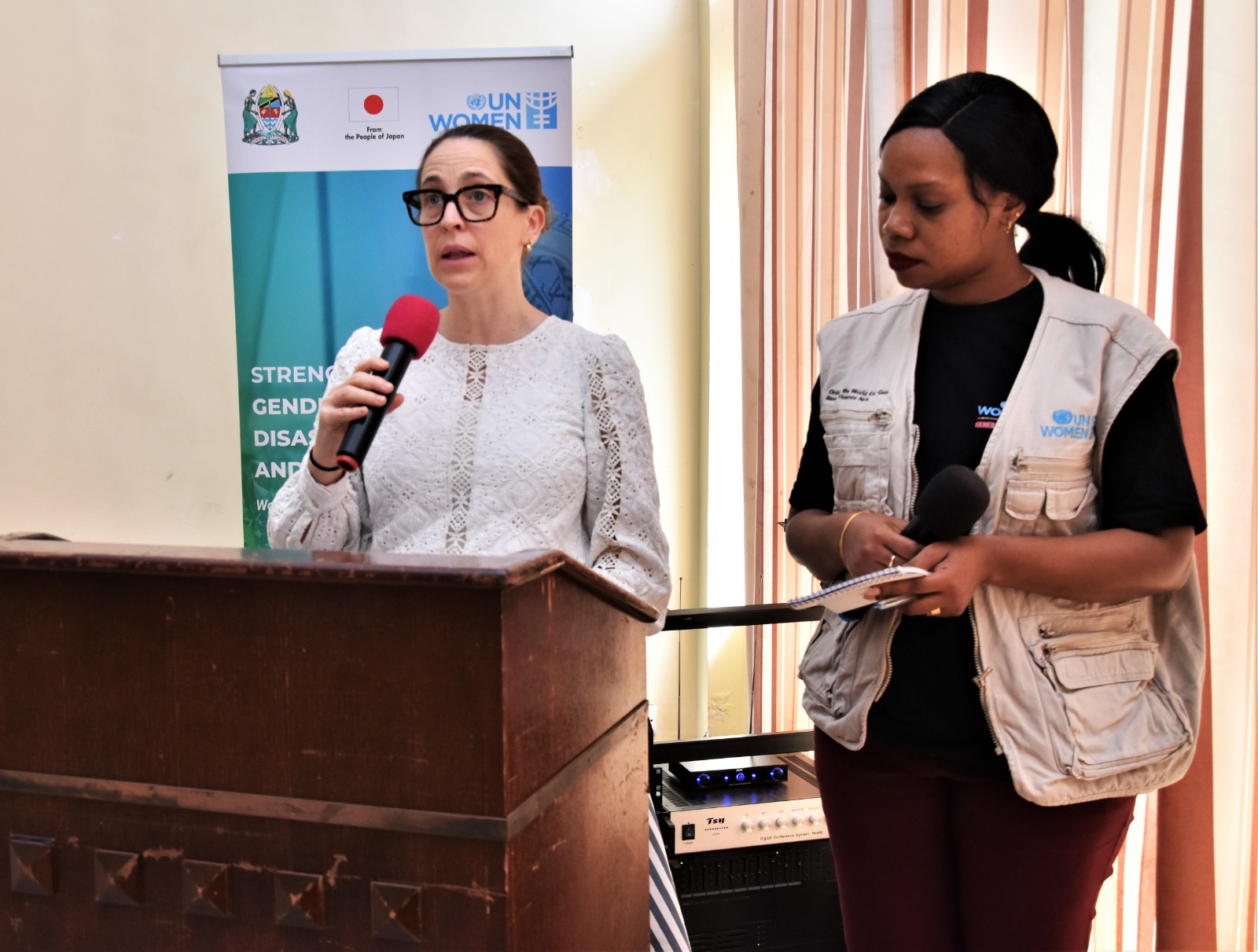
Speaking during the launch of a gender-responsive disaster preparedness and climate resilience project, UN Women Tanzania Representative, Katherine Gifford, said the initiative is being implemented by UN Women with funding from the Government of Japan.
Gifford emphasized the importance of placing women and young people at the center of efforts to strengthen climate resilience and disaster preparedness. The project is expected to directly reach 700 beneficiaries, including 570 women, while indirectly benefiting around 3,500 people.
She noted that climate change and natural disasters do not affect everyone equally. Women and girls often face greater risks and vulnerabilities, yet they also play a leading role in building resilience and driving recovery efforts after disasters.
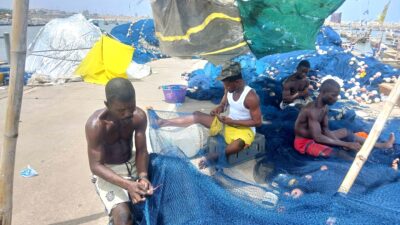
Launching the project, Kigoma Regional Administrative Secretary Hassan Rugwa said that girls, people with disabilities, and other vulnerable groups have been among the hardest hit by the effects of climate change in the region, with significant impacts on their livelihoods and economic activities.
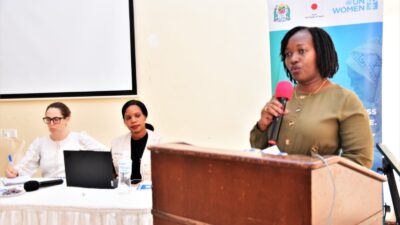
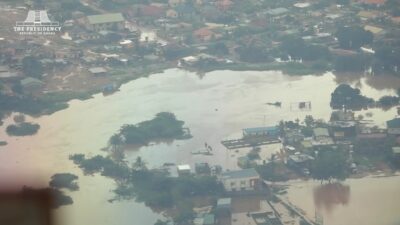
In a speech delivered on his behalf by Assistant Administrative Secretary for Public Service at the Kigoma Regional Commissioner’s Office, Zabibu Mkamba, Rugwa said that Kigoma has been facing persistent climate change challenges that have disrupted agricultural activities, caused loss of property, and negatively affected income-generating activities for these vulnerable groups.
Rugwa further stated that the launch of the project does not mark the beginning of climate resilience efforts in the region. The government and its development partners have been addressing climate-related challenges for many years.
He added that the new project will strengthen existing efforts by enhancing institutional capacity, improving coordination, and advancing gender-responsive disaster risk reduction systems.