
By. Prosper Kwigize, The Nature News
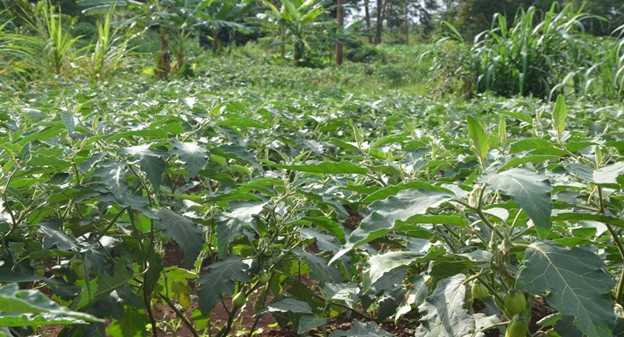
Agriculture is the heartbeat of local communities in the lush hills and fertile plains of Kagera, a region in the far northwest of Tanzania. The landscape, rich in potential, is dominated by small-scale farmers relying on the land and groundwater to grow crops such as maize, beans, cassava, and bananas. But while Kagera is blessed with fertile soils and a temperate climate, it faces significant challenges in terms of water availability, especially during the dry seasons.
For years, farmers in Kagera struggled with erratic rainfall patterns, often leading to crop failures. Short rainy seasons paired with long dry spells made it difficult to sustain crop production. This challenge, however, was gradually met with a solution hidden beneath the ground: groundwater.
Groundwater in Kagera has long been an underutilized resource. The region sits on aquifers that can provide a steady water supply even during periods of drought. As awareness about the potential of this hidden resource grew, local farmers and agricultural organizations began to experiment with groundwater to complement rainfall and provide a more reliable source of irrigation.
At first, groundwater use was limited to a few innovative farmers with access to simple wells or boreholes. However, as the benefits of using groundwater became apparent, more farmers began to dig their wells or tap into community boreholes. Water pumps allowed for more effective irrigation, particularly for crops sensitive to water stress, such as maize and vegetables.

Through these wells, communities in the Nile River basin can afford to live and earn a small income that helps them cope with hunger. However, this is due to the need for more financial resources to use modern tools, especially pumps, to extract and distribute water.
The introduction of groundwater-powered local and modern irrigation systems revolutionized farming in Kagera. With a more reliable and consistent water supply, farmers were able to cultivate crops throughout the year. This increased crop yields and allowed farmers to diversify their products. Farmers who once grew only seasonal crops like maize and beans began to grow high-value crops like tomatoes, onions, and vegetables, which required more consistent irrigation.
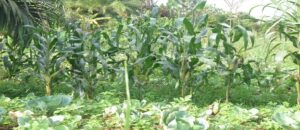
Groundwater also allowed for multiple yearly harvests, which was impossible with rain-fed agriculture alone. Farmers could grow crops in many areas during wet and dry seasons, ensuring a steady annual income. The increased productivity helped improve food security and reduce the vulnerability of local communities to droughts.
Residents of Ngara, Karagwe, and Misenyi districts are significant beneficiaries of agriculture in the valleys and highlands surrounding the many streams and aquifers that contribute water to the Kagera River.
Many are challenged by the decline in water levels in all water sources above ground and underground. This leads them to continue moving closer to the river banks and the water sources, causing significant environmental impacts.
Cultivation in areas not permitted by Tanzanian laws and council bylaws is due to many farmers practicing unsustainable agriculture, especially in the mountains surrounding the sources of rivers and aquifers.
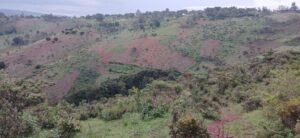
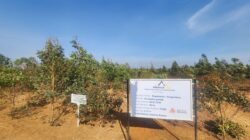
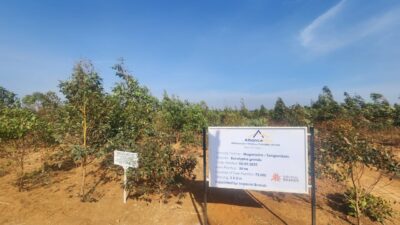
Unsustainable agriculture and water sources are intertwined with the cutting down of native trees, the planting of non-water-friendly trees, primarily eucalyptus, and the establishment of settlements in these areas.
To address these issues, local authorities, agricultural organizations, and NGOs began to promote sustainable groundwater management practices. These included regular water level monitoring, efficient irrigation systems, and training farmers on water conservation techniques. Furthermore, efforts were made to encourage rainwater harvesting to reduce the strain on groundwater reserves, and farmers were educated on crop selection and rotation to improve soil health and reduce water demand.
IRRIGATION OPPORTUNITIES IN THE KAGERA REGION.
According to the National Irrigation Commission of Tanzania, the Kagera Region has a great opportunity to use Lake Victoria water to irrigate many large basins surrounding the Lake. Many rivers in the region flow water throughout the year, so establishing irrigation agriculture is a great opportunity. Kagera also has fertile land that accepts all types of crops.
Farmers are encouraged to use all schemes appropriately through various strategic plans of the central and regional governments, considering the principles of good land use and water use.
Through various plans, including under the National Irrigation Board, Schemes developed in the Kagera Region include the Mwisa (Karagwe), Kyamyorwa, Kyota, Buhangaza, and Buyaga (Muleba) schemes and the Kyakakera, Nkenge (Misenyi), Bigombo (Ngara), and Mwiruzi (Biharamulo) schemes.
In addition, preliminary studies have been conducted in the lake Burigi basin, where a large dam was expected to be built from the groundwater after a feasibility study and funding is available. The Ngono (Misenyi) river basin has been subjected to a feasibility study through the Nile Basin Initiative, and once funding is available, it will be developed. Of all the schemes developed, six have already been registered, namely Mwisa, Kyakakera, Buhangaza, Buyaga, Kyota, and Bigombo.
Due to climate change and harmful human activities, farmers from Nsunga ward, Byamtemba village, Misenyi district, admit to witnessing water shortages in natural sources. They say this is due to environmental degradation caused by agriculture and deforestation.
“We indeed farm in the valley; this water helps us get delicious crops. Yes, we are prohibited when we are told to go 60 meters away from the source, but 60 meters is where there is drought; as we all know, there is insufficient rein. We do not have the resources to use modern irrigation methods,” Mr. Kagisha Juston Vitalis elaborated to the journalist during the field interview.
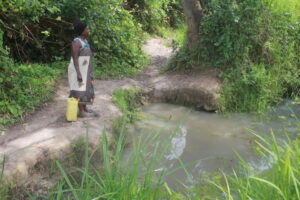
Mr. Vitalisi insists that the government implement its irrigation farming plans, especially by sponsoring or lending farmers irrigation equipment to reduce or eliminate marginal farming and the water source.
In an interview with Info Nile, the Agriculture Officer of the Ngara district council, Mr. Remigius Kawishe, explained that the government has been taking various steps to control unfriendly agriculture through education and sometimes punishment to conserve the environment.
Mr. Kawishe emphasizes that farmers in the Ngara district rely on valley farming, which requires groundwater and mostly dried-up rivers and is generally unsustainable.
He emphasizes that the district is facing the effects of climate change, which leads to almost all water sources drying up during the dry season. The government emphasizes preventing farmers from cultivating near sources and encouraging planting friendly trees.
In addition, Kawishe explains that another strategy is to collaborate with natural resources and environmental authorities to control indiscriminate deforestation, educate the community not to destroy water sources, and avoid spraying pesticides that are harmful to land and water
For his part, the Environment Officer in Ngara district, Mr. Athanasio Andrew, admits that The environment has primarily been degraded, leading to the depletion or drying up of surface and underground water sources due to various reasons, including unsustainable agriculture and climate change.
Mr. Andrew noted that the Department of Natural Resources and Environment is collaborating with other authorities, including the Lake Victoria Watershed Board, urban and rural water authorities, and the Tanzania Forestry Services (TFS), to control environmental degradation.
Regarding the effects of climate change, Mr. Andrew explained that society has been affected by the drying up of water sources and the decrease in rainfall and its level.
Economic Empowerment
The economic benefits of groundwater use were profound. As yields increased, farmers’ incomes grew, improving living standards. Many farmers invested in better tools, equipment, and technology to improve their farming practices. Some even expanded their agricultural enterprises, creating local employment opportunities and fostering small-scale agribusinesses that processed crops like maize flour, dried vegetables, and cassava chips.
Local markets flourished as farmers brought surplus produce to sell, and the overall economy in Kagera became more resilient. Women, who often had limited access to land and financial resources, also benefitted from groundwater irrigation, as many of them took the lead in growing vegetables and running small-scale irrigation schemes. This gave them greater economic independence and improved their social standing in the community.
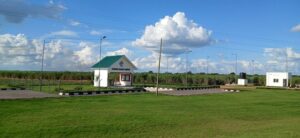
Environmental Sustainability and Challenges
While groundwater irrigation brought clear benefits to Kagera’s agricultural sector, it also posed environmental challenges. The increased reliance on groundwater led to concerns about over-extraction, particularly in areas where boreholes were poorly managed. Some farmers, eager to expand their operations, began to draw more water than the aquifers could sustainably supply. As a result, some regions experienced a drop in water levels, threatening the long-term viability of groundwater as a resource.
The Future of Groundwater in Kagera
Looking ahead, groundwater is poised to continue playing a vital role in agriculture in Kagera. With proper management and conservation practices, this underground resource can help ensure food security, increase agricultural productivity and improve the livelihoods of farmers in the region. Adopting modern irrigation technologies, such as drip irrigation, alongside the continued use of groundwater, will help optimize water use and reduce waste.
Moreover, Kagera’s experience offers valuable lessons for other regions in Tanzania and beyond, where the potential of groundwater still needs to be explored. By integrating groundwater into sustainable agricultural practices, communities can build resilience against the increasingly unpredictable climate patterns affecting East Africa.
In Kagera, groundwater has become more than just a resource; it has become a lifeline, sustaining agriculture and transforming the lives of farmers in the region. With careful stewardship, it promises a future of prosperity for generations to come.
Despite considerable and small rivers in the Kagera River Basin, rainfall has been the primary source of income for farmers in Africa; however, irrigated agriculture, especially during the dry season, contributes a large portion of farmers’ income in the Nile River Basin.