
By Adela Madyane
Tanzania loses more than 500 billion shillings annually due to disasters fueled by unpredictable climate change, with national parks such as the Mahale Mountains being among the most affected by these changes.
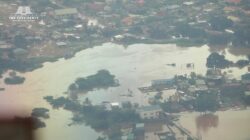
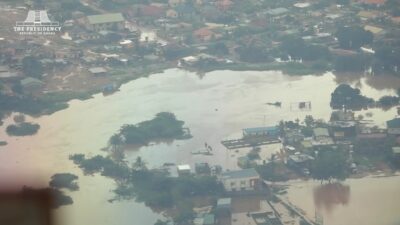
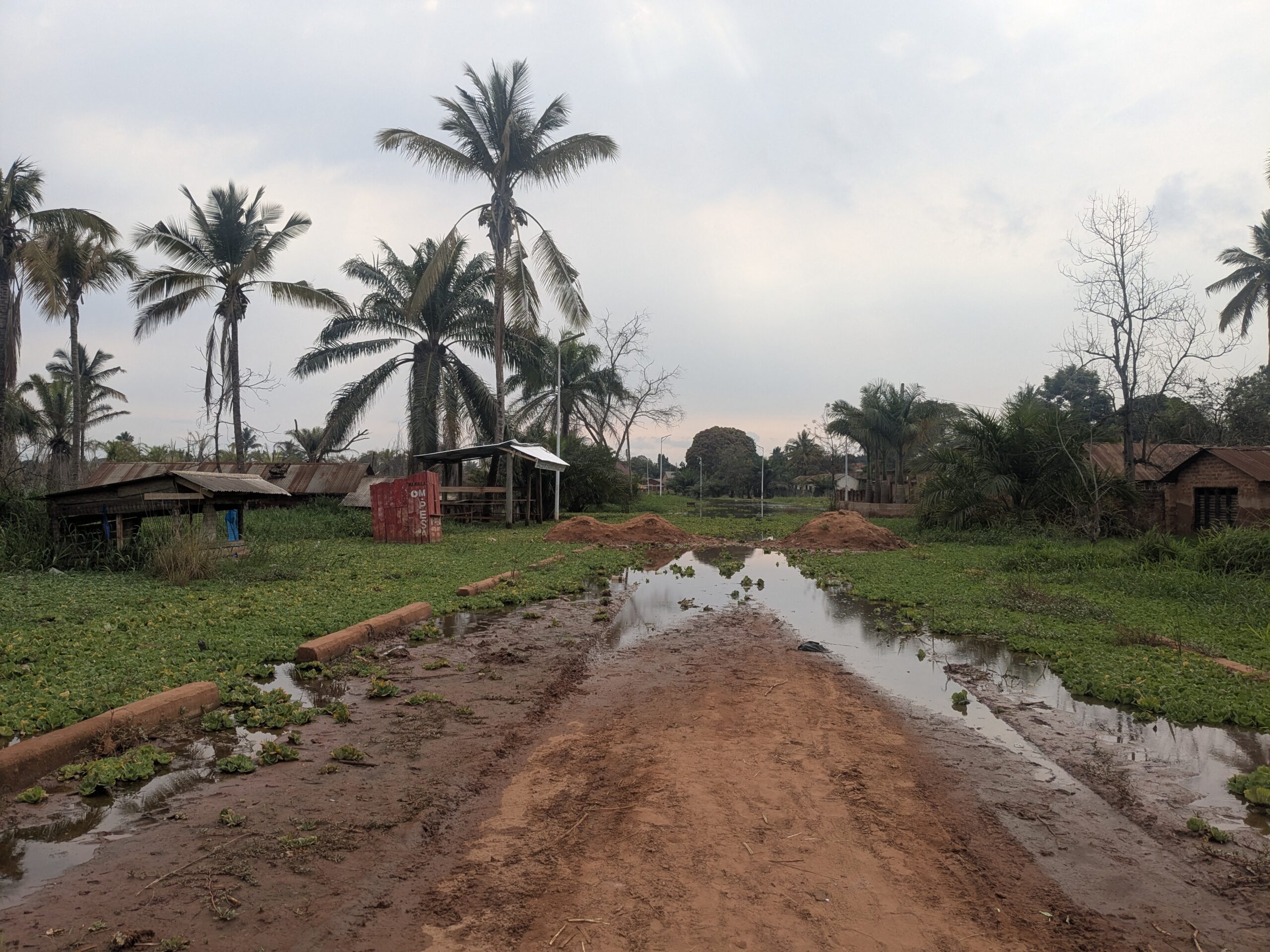
During the 2024/2025 season, the park located in Uvinza District lost a significant number of tourists and overall revenue, with the rising water levels of Lake Tanganyika cited as a major cause of the damage, which destroyed key infrastructure within the park.
According to Respicius Mshobozia, a geologist from the Lake Tanganyika basin, the water level has risen from 776 meters (in 1976) to 776.8 meters between 2021–2025, a level very close to the highest historical record.
Halid Mngofi, Chief Warden of Mahale Mountains National Park, confirmed that despite the drop in visitors, revenue also declined in 2024, and some investor camps, including the “Mbalimbali” camp, were submerged.
Providing revenue statistics, he said that in the 2020/2021 season, the number of visitors was 210, generating 180 million shillings, later increasing to 923 visitors in 2024/2025, with earnings of 856 million shillings.
However, Mngofi said that in the 2024 season, no tourists entered due to the closure of the Mbalimbali camp.
Additionally, the chief explained that the decline in tourism was not only due to rising water levels but also transportation challenges, as roads were damaged by floods, making road travel difficult and forcing tourists to rely on air and water transport.
Mngofi stated that from 2021 to 2024, especially during the rainy season, roads were damaged, forcing visitors to travel via lake and air routes, which increase the cost of their trips.
He said that currently, few visitors use road infrastructure due to the lack of a direct road to the park.
However, he said the government is committed to addressing these impacts by allocating funds for the construction of a 38-kilometer road from Rukoma Ward to the Mahale Mountains National Park.
In a report published by Mwananchi newspaper on May 12, 2023, former Chief Warden of Mahale Mountains, Susuma Kusekwa, said the government allocated 850 million shillings to begin construction of a 22-kilometer gravel road from Buhingu towards the park.
He said the completion of this road is expected to increase the number of tourists using road transport.
According to the International Institute for Environment and Development (IIED), climate change in Tanzania poses a threat to citizens’ lives, especially low-income households.
Furthermore, the 2023 risk assessment report warned that coastal erosion, floods, and extreme weather events threaten food security, health, and shelter.
In the same context, the World Bank, through its Tanzania Country Climate Development Report, revealed that climate change slows economic growth and disproportionately affects the poor through reduced crop yields, water scarcity, disease outbreaks, and loss of productive resources.
Tanzania, as a member of international agreements such as the UNFCCC, Kyoto Protocol, and Paris Agreement, has been at the forefront of policy discussions on climate change.
Currently, the country leads the African Group of Negotiators (AGN) at the COP30 Summit, with a commitment to ensuring the Loss and Damage Fund (FRLD) benefits citizens of the most vulnerable countries.
Cyprian Luhemeja, Permanent Secretary in the Vice President’s Office, stated that Tanzania’s participation in COP30 is an opportunity to strengthen international cooperation and mobilize financial resources, innovative technologies, and green investments aimed at addressing climate impacts.
In another development, the FRLD Board has launched the Barbados Implementation Mechanism (BIM) for 2025 and 2026, allocating $250 million in grants for vulnerable countries. Tanzania, as one of the 44 Least Developed Countries (LDCs), is eligible to receive at least 50% of these resources.
The Government of the United Republic of Tanzania, through the National Development Vision 2050, has prioritized building a competitive green economy, inclusive welfare, and climate resilience. The slogan “Implementation of Integrated Climate Resilience Actions” emphasizes the importance of collaboration between government, communities, and development partners.