
Adela Madyane, The Nature News
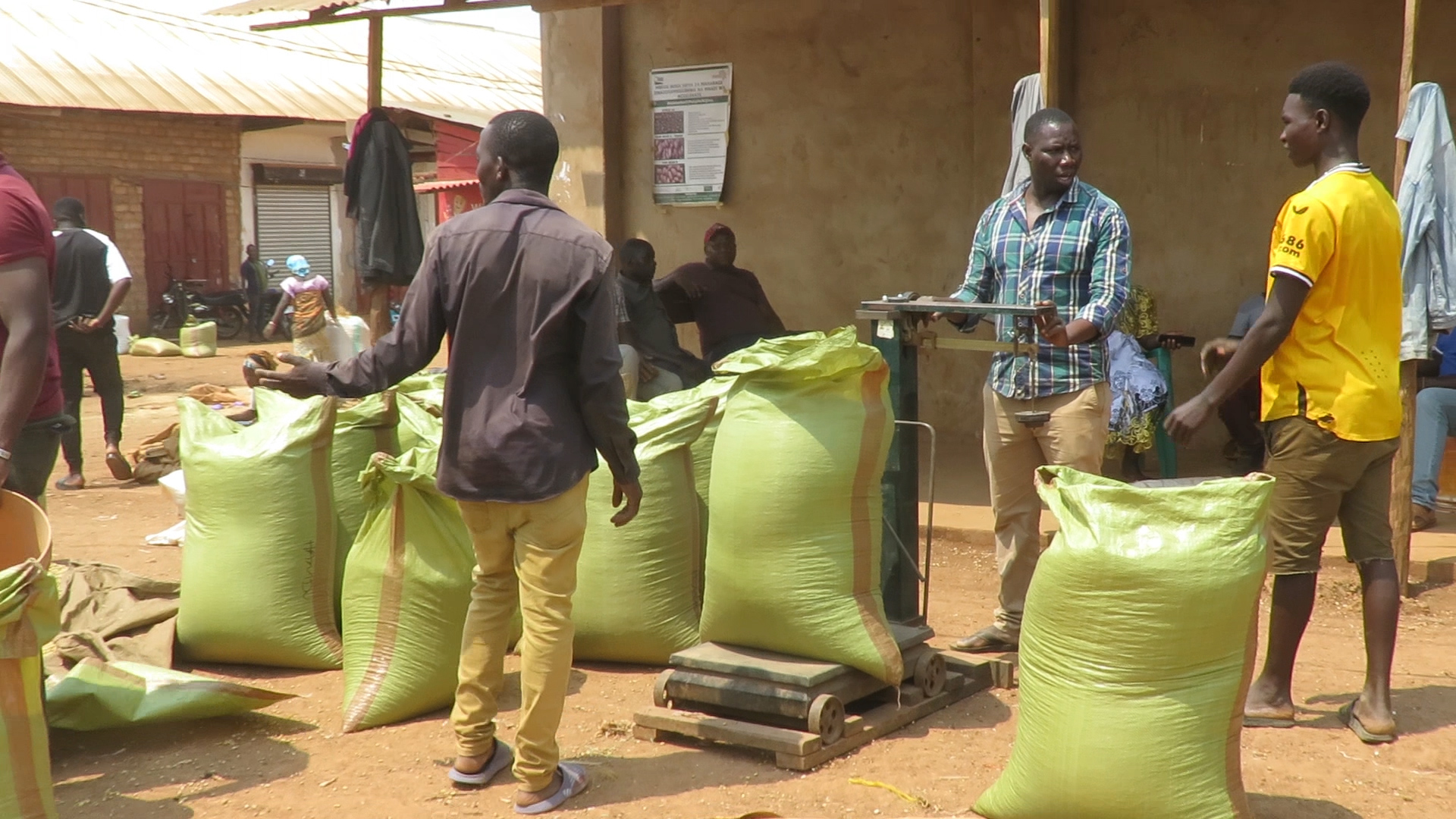
Farmers in Kigoma Region continue to grapple with the effects of climate change, which has disrupted the agricultural calendar, forcing them to rely on a single farming season instead of the traditional two.
In this region, with to over 2,470,967 people according to the 2022 Population and Housing Census, more than 75% of the population engages in farming. They primarily grow maize, cassava, rice, beans, and bananas for food, while cotton and tobacco are the main cash crops.
Residents have been severely affected by erratic rainfall patterns—alternating between sun and rain. The region, which used to receive heavy short rains in September and begin planting then, now only starts land preparation in September and planting in October.
Speaking to Annajesta Paschal, a cassava farmer from Kibondo District, said that although cassava is drought-resistant, she has faced increasing challenges from pests and diseases due to reduced rainfall.
“I started cassava farming in 2012. Back then, I planted ten acres and harvested enough to earn over 50 million shillings. I was happy and continued farming, but for the past five years, things have changed. I’ve suffered major losses and decided to reduce my production to just two acres for food only,” lamented Paschal.
Higwe Cheru, a maize farmer from Kasulu District, said he has invested heavily in improved maize farming techniques, but unpredictable rainfall has led to losses, unlike in the past when he was successful.
“Maize farming gave me a house and machinery. My children got a good education, and I never lacked anything. But now, I don’t understand what’s happening. At first, I thought I was cursed because of the poor yields, but now I know it’s climate change. Look at us now we’ve planted, but neither maize nor beans have sprouted,” said Cheru.
Yusta Sanda, a bean farmer from rural Kasulu, said she leaves home every July to camp in Kagerankanda, where she gets better yields compared to farming near her home.
“There’s no rain, and when it comes, it destroys crops. So I go to the Kagerankanda forests, where the soil is still fertile, and at least we get decent harvests. But the weather has completely changed—I don’t know why,” Sanda wondered.
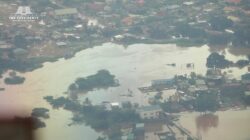
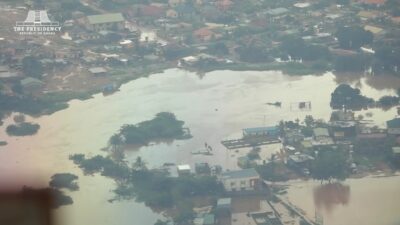
Communities along the shores of Lake Tanganyika are also facing similar challenges, especially from floods that occurred between 2021 and 2025. These floods submerged farmlands, leaving people without livelihoods and worsening hunger due to food shortages.
Yasini Ramadhan, a resident of Kagera in Kigoma-Ujiji Municipality, said he had invested in mixed farming in the Mgumile area, which was ideal for oil palm, beans, vegetables, and maize. However, his farms were washed away, leaving him helpless as his livelihood depended solely on farming.
James Peter, Assistant Regional Administrative Secretary for Economy and Production in Kigoma, said that according to the Tanzania Meteorological Authority (TMA), this year’s rainfall will be below or around average, with poor distribution expected.
Peter urged citizens to continue monitoring weather forecasts and to farm according to expert agricultural advice, while also reporting risks to ensure the region maintains food security and economic stability.
Speaking at COP29, former Vice President Dr. Philip Isdor Mpango stated that climate change has devastated the lives of millions, undermining food and water security. He noted that Tanzania loses between 2% and 3% of its GDP annually due to climate change.
This issue has also contributed to stunting among children under five. By 2023, over 27% of children in Kigoma Region were suffering from malnutrition.
In this context, the Fund for Responding to Loss and Damage (FRLD) report from COP30 emphasizes the urgent need for financial and technical support for communities affected by climate change.
According to Ana Toni, Executive Director of COP30, the FRLD has successfully mobilized a call for $250 million in aid applications, signaling a global shift from climate promises to rapid implementation.
COP30 has become a vital platform for discussing these issues. Loss and Damage reports recommend swift funding for projects supporting farmers and restoring agricultural infrastructure to save regions like Kigoma.
The Government of Tanzania stresses that international contributions from the Loss and Damage Fund (FRLD) are urgently needed to address these impacts.
Currently, developing countries like Tanzania require resource support to ensure that communities affected by climate change can withstand these challenges and pursue sustainable solutions.